How Sugary Drinks Impact the Health of Our Kids

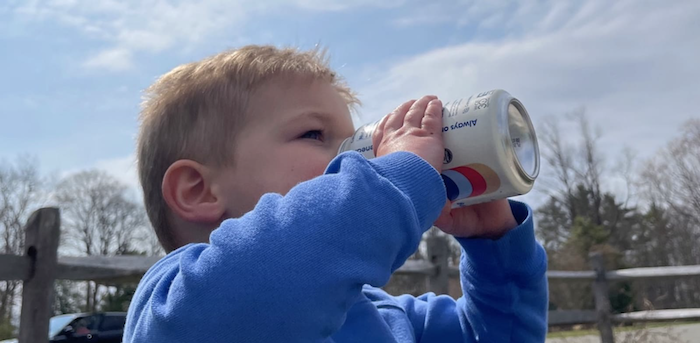
Believe it or not, about half of the added sugars that US children consume come from sugary drinks. In fact, despite all that we know about the harms of consuming too much sugar, drinks like juice and soda remain the greatest source of added sugar within the American diet today.
It’s not all that simple though. Nutrition is confusing. I mean, it’s not crazy to think that fruit juice would be a better option than soda? It comes from fruit, right?! But unfortunately, more often than not, fruit juice has the same amount (if not more) sugar than a soda and because the fiber is removed in the juicing process, a lot of the fruit’s benefit is lost. Sugary drinks – whether that’s soda, juice or Gatorade – spike the blood sugar quickly, which leads to a crash shortly thereafter.
That crash makes our kids feel irritable, tired and hungry again.
Why it’s a good idea to skip the sugary drinks.
A better mood and less meltdowns could definitely be enough of a reason to skip the sugar-sweetened beverages (SSBs), but there are a few other benefits definitely worth mentioning:
Weight gain. Drinking SSBs with a meal does not seem to impact how much food is eaten, meaning that even though they are caloric, SSBs don’t make us feel satisfied and so can easily contribute to weight gain.
Increased blood pressure and risk for heart disease. We’re often taught about the link between heart disease and eating too much salt. However, excess sugar actually poses a major risk for high blood pressure, one of the leading causes of heart disease. Too much sugar also raises triglyceride levels, another risk factor for heart disease.
Greater risk for developing type 2 diabetes. This has been shown time and time again. One long-term study found that those who consumed at least two to three SSBs each day had a 31% greater risk for developing T2DM compared to those who consumed less than one each month.
Increased risk for obesity in adulthood. Obesity in childhood is associated with a much greater risk for obesity in adulthood as well, a condition that has been linked to most major health problems including type 2 diabetes and heart disease. Obesity has also been associated with a greater risk for anxiety and depression.
Tips to help avoid your kids avoid sugary drinks.
Stick with water and an occasional unsweetened, caffeine-free sparkling drink (we suggest still skipping artificial sweeteners if you can). Get your little ones involved in flavoring the water with fresh fruit like mashed berries, lemon or oranges.
If you are giving juice now, try to start limiting how much by watering it down and / or only giving a small portion (ie 1⁄2 cup) at a certain time of the day.
Try smoothies instead! A balanced smoothie like this one can be a fun snack that your little can help you make too. Because the fruit is blended in (vs juiced), the fiber stays!